
Σureka Marketing
Technical SEO Services
When having a beautiful website just isn't enough
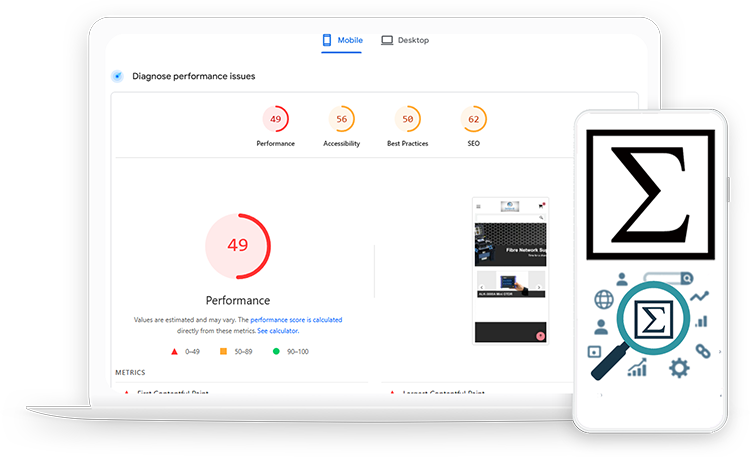
Improving visibility through SEO best practice
Having a beautiful website isn’t enough these days!
SEO is not just about keywords and rankings.
Technical SEO is the foundations of a good website, it's concerned with how your website is put together. If this is not set-up correctly, then it makes achieving SEO success much more difficult.
The technical SEO building blocks
Visibility
Enabling search engines to easily find, understand, and index your website
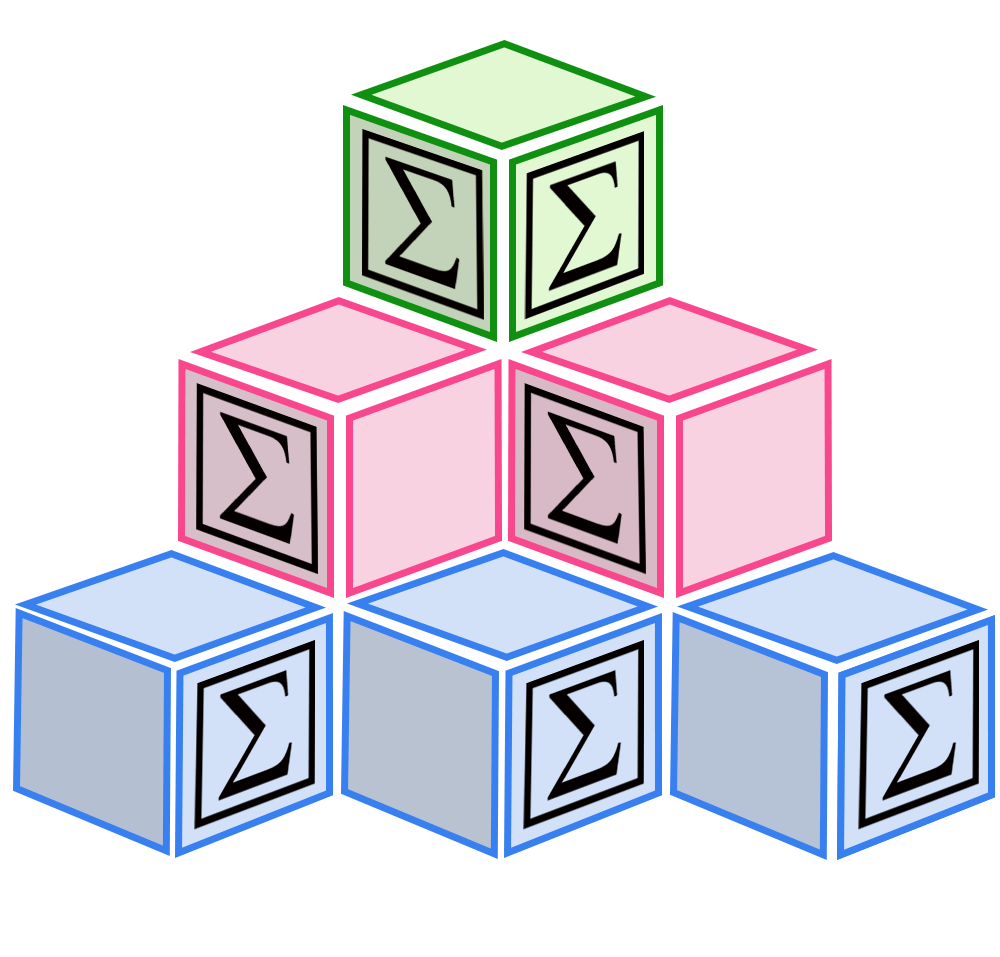
Technical
The foundations to a good website, ensuring your website is tuned for performance across all platforms, browsers and search engines.
Stability
With the SEO foundations in place, a stable platform is created enabling effective on site and off site SEO campaigns
SEO is not just about keywords and rankings
Technical SEO is the foundations of a good website. If this is not set-up correctly, then it makes achieving SEO success much more difficult.
All search engines, including Google use their own set of language models to verify a website for it to show in search results.
If search engines can’t easily find, understand, and index your site, you’re missing out on valuable traffic and potential customers. That’s where technical SEO comes in.
Technical SEO is all about making sure your website is set up for success behind the scenes. It covers everything from how fast your pages load, to how your site is structured, to whether it’s secure and mobile-friendly.
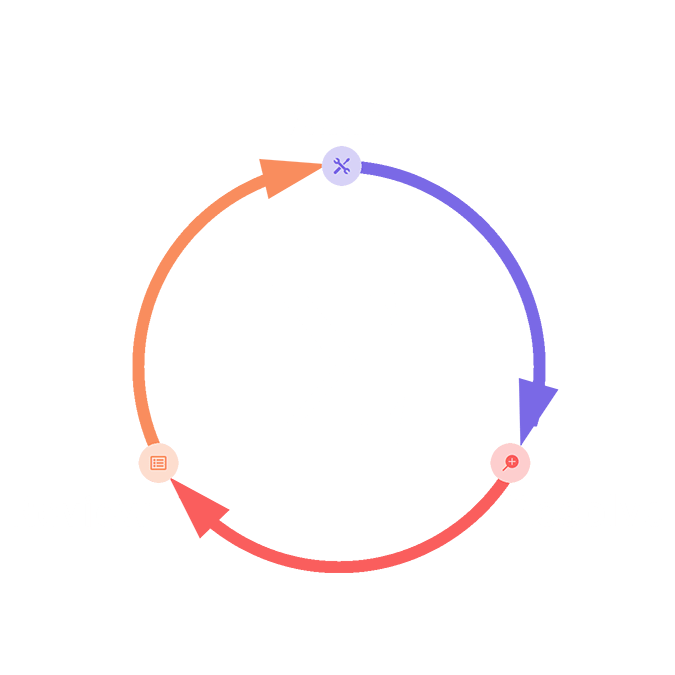
Website SEO Audit
The website SEO audit identifies those aspects of your website design that need to be addressed to optimise its performance
SEO Issue identification and resolution implementation
The SEO issues identified in the website SEO audit are rectified using industry standard tools
Monitor, measure, report and review
The website performance metrics are monitores, performance measured, reported on and reviewed with you to ensure the SEO programme is on track to deliver results
Why Technical SEO is an essential part of the whole SEO programme
Google has confirmed that site speed is a ranking factor. If your website takes more than three seconds to load, over half of visitors will leave before they even see your content. That’s a huge chunk of potential business gone in the blink of an eye.
Technical SEO also helps prevent common issues that can hurt your rankings, like duplicate content, broken links, or pages that aren’t being indexed at all. If your site isn’t technically sound, all the great content and keywords in the world won’t help you climb the rankings.
Another big one: security. Google gives preference to secure (HTTPS) websites, and visitors are far more likely to trust your business if they see that reassuring padlock in the address bar. In fact, over 80% of users say they’ll abandon a purchase if they don’t trust a site’s security.
And let’s not forget structured data—those little bits of code that help search engines understand your content and can even lead to rich results like featured snippets or star ratings in search. Sites that use structured data can see click-through rates improve by up to 30%.
In short, technical SEO is the groundwork that allows everything else—content, keywords, backlinks—to actually deliver results. It’s what turns a good website into a great one that gets found, loads fast, and delivers a smooth experience for users and search engines alike.
If you want your website to rank higher, convert more visitors, and stay ahead of competitors, investing in technical SEO isn’t optional—it’s essential.
Want to know if your site is technically sound? Let’s talk about a technical SEO audit and how it can help your business grow.
Let's Talk About Growing Your Business
Tell us what you would like to achieve and we'll recommend the best next step.
No obligation. No jargon. Just a helpful conversation about your business goals.

We're here to help your business grow.

Response within one working day.
We'll review your enquiry and get back to you quickly.

Friendly, practical advice.
Straightforward guidance tailored to your business goals.

No-obligation conversation
Totally no pressure. Just explore what's possible.

Prefer to speak now?
01276 582169
Technical SEO FAQs
Select a topic or question
What is Technical SEO?
Technical SEO is the process of improving the behind-the-scenes structure and performance of your website so search engines can crawl, index and understand it properly. It helps make sure your website has the right foundations to support rankings, visibility and user experience.
Why is Technical SEO important?
Technical SEO is important because even good content can struggle to rank if your website has technical problems. Issues such as slow loading speed, broken links, poor mobile performance or indexing problems can stop Google from understanding and showing your pages properly.
Is Technical SEO only for large websites?
No. Technical SEO matters for websites of all sizes. Small business websites, ecommerce sites, brochure websites and large content websites can all be affected by technical issues that reduce visibility, traffic and enquiries.
How is Technical SEO different from On-Page SEO?
On-Page SEO focuses on the visible content and structure of individual pages, such as headings, page copy, metadata and internal links. Technical SEO focuses more on how the website works behind the scenes, including speed, crawlability, indexation, site structure, redirects and security.
What does crawlability mean?
Crawlability refers to how easily search engines can access and move through your website. If Google cannot crawl important pages, it may not discover or understand them properly, which can affect whether they appear in search results.
What does indexing mean?
Indexing is the process where search engines store and organise your pages after discovering them. If a page is not indexed, it generally cannot appear in Google search results, even if the content on the page is useful.
What can stop pages from being indexed?
Pages may not be indexed because of crawl errors, noindex tags, blocked resources, poor internal linking, duplicate content, redirects, thin content, sitemap issues or technical problems that make the page difficult for search engines to access.
How do you check if Google can crawl and index my website?
We can review tools such as Google Search Console, crawl reports, sitemap data, robots.txt, page status codes, internal links and index coverage to identify whether search engines can access and understand your important pages.
Why is mobile performance important for Technical SEO?
Website speed matters because slow pages can frustrate users and make them leave before taking action. Faster websites usually provide a better experience, which can support both search visibility and conversion rates.
What affects website loading speed?
Website speed can be affected by large images, poor hosting, unused code, heavy plugins, render-blocking scripts, large page layouts, caching issues, video files and poorly optimised themes or templates.
What are Core Web Vitals?
Core Web Vitals are Google’s user experience measurements that look at loading performance, interactivity and visual stability. In simple terms, they help assess whether a page loads quickly, responds smoothly and feels stable when someone uses it.
Can improving speed increase enquiries?
Yes, it can. If visitors can move through your website more quickly and easily, they are less likely to leave out of frustration. Better speed can support a smoother journey from landing on the site to calling, booking or completing a form.
Why does website structure matter for Technical SEO?
A clear website structure helps search engines understand which pages are important and how different services, topics or categories connect. It also helps visitors find the information they need more easily.
What are broken links and why do they matter?
Broken links are links that lead to pages that no longer exist or return an error. They can create a poor user experience and make it harder for search engines to crawl your website properly.
What are redirects?
Redirects send users and search engines from one URL to another. They are useful when pages move or URLs change, but poor redirect setup can create problems such as redirect chains, loops or lost page value.
What technical errors can hold a website back?
Common technical errors include broken links, redirect issues, duplicate pages, missing metadata, poor internal linking, slow pages, crawl errors, sitemap problems, indexing issues and pages blocked from search engines.
Why does website security matter for SEO?
Website security matters because users and search engines need to trust your site. A secure HTTPS website gives visitors confidence and helps protect information submitted through forms or checkout pages.
What is schema markup?
Schema markup is structured data added to a website to help search engines better understand the content. It can support enhanced search results for things like FAQs, reviews, services, products, local businesses and articles.
Do all websites need schema?
Not every website needs every type of schema, but most business websites can benefit from clear structured data. The right schema can help search engines understand your business, services, pages and important information more accurately.
What technical foundations should every website have?
Every website should have secure HTTPS, a clear structure, good mobile usability, clean URLs, working internal links, an XML sitemap, correct indexation settings, fast-loading pages and reliable tracking through tools such as Google Search Console and GA4.
What is included in a Technical SEO audit?
A Technical SEO audit can include checks for crawlability, indexation, page speed, Core Web Vitals, mobile usability, broken links, redirects, duplicate content, metadata, internal linking, sitemap setup, schema, HTTPS and Google Search Console issues.
How often should Technical SEO be reviewed?
Technical SEO should be reviewed regularly, especially after website updates, redesigns, plugin changes, new page launches or migrations. For active websites, a monthly or quarterly technical check is usually sensible.
Will a Technical SEO audit fix my rankings?
A Technical SEO audit identifies the issues and opportunities that may be holding the site back. Rankings improve when the right recommendations are implemented and supported by good content, authority and ongoing optimisation.
What happens after technical issues are fixed?
After technical issues are fixed, the website should be monitored to make sure search engines can crawl and index the important pages correctly. Ongoing checks help prevent new issues from building up as the site changes over time.